
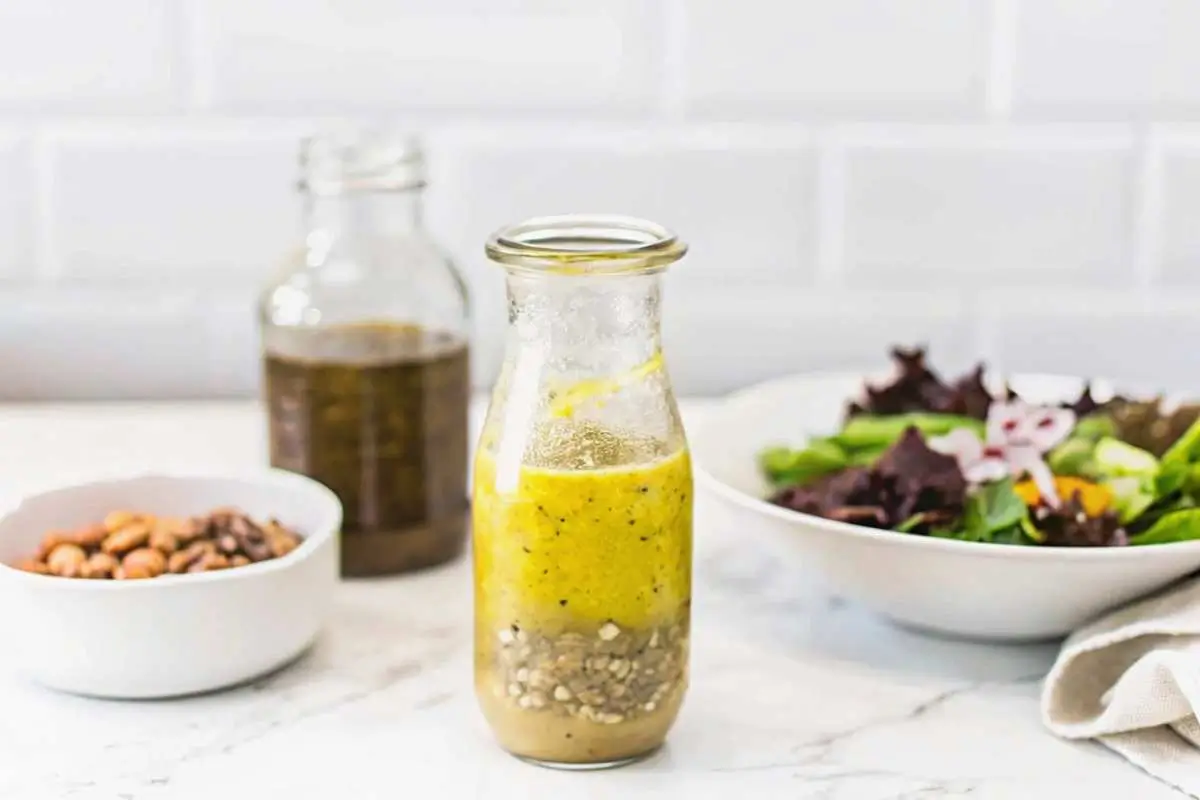
Italian dressing is one of the most flavorful, versatile, and easy-to-make salad dressings you can whip up at home. Whether you’re tossing it with crisp greens, using it as a marinade, or drizzling it over pasta salad, this zesty staple never disappoints.
In this article, we’ll show you how to make a homemade Italian dressing recipe that tastes better than any store-bought bottle. Using pantry staples like olive oil, red wine vinegar, lemon juice, and parmesan cheese, you’ll learn to build bold, bright flavor in just minutes.
We’ll also dive into delicious variations like sweet Italian dressing, zesty Italian dressing, and Italian dressing without vinegar. Plus, we’ll answer your top questions, like “What’s in Italian dressing mix?” and “Is homemade Italian dressing good for you?”
Learn more about flavor-packed meals like this Cottage Cheese Pancakes to take your everyday cooking to the next level.
Let’s get mixing!
Table of Contents
What is Italian Dressing? A Deep Dive into This Zesty Staple
The Origin of Italian Dressing
Despite its name, Italian dressing isn’t a traditional condiment you’d find in Italy. It’s an American invention, inspired by Mediterranean flavors like olive oil, garlic, vinegar, and herbs common in Italian cuisine. The first versions appeared in mid-20th century America and quickly gained popularity for their bold, balanced taste.
Restaurants across the U.S. began bottling their house dressings—often Italian-style—and eventually brands like Wish-Bone and Kraft turned them into supermarket staples. But here’s the thing: homemade tastes way better.
How Italian Dressing Became a Pantry Favorite
Its rise in popularity comes down to three things: flavor, convenience, and flexibility. With white or red wine vinegar, olive oil, lemon juice, and dried Italian herbs, this dressing can go from salad topper to chicken marinade with ease.
People love it because it strikes a perfect balance—tangy from the vinegar and lemon, rich from the oil and cheese, and herby with a savory punch of garlic and mustard. It’s no surprise that today, Italian dressing is one of the most commonly used salad dressings in American households.
The real beauty? You probably already have the ingredients to make it from scratch in just 5 minutes.
Print
Homemade Italian Dressing Recipe
- Total Time: 5 minutes
- Yield: 8 servings 1x
- Diet: Vegetarian
Description
This Homemade Italian Dressing is zesty, savory, and incredibly easy to make with just a handful of pantry ingredients. Featuring olive oil, red wine vinegar, Parmesan, and classic Italian herbs, it’s the perfect complement to salads, veggies, and grilled meats. Ready in under 5 minutes, it’s a delicious, clean alternative to store-bought dressings.
Ingredients
- ½ cup extra virgin olive oil
- 3 tablespoons red wine vinegar
- 1 tablespoon lemon juice
- 2 teaspoons Dijon mustard
- ¼ teaspoon garlic powder (or 1 clove fresh garlic, minced)
- 1 tablespoon Italian seasoning blend
- ½ teaspoon salt
- ¼ teaspoon black pepper
- ½ teaspoon sugar (or honey)
- 2 tablespoons grated Parmesan cheese
Instructions
- Combine Ingredients: Add all ingredients to a mason jar or small bowl.
- Mix: Shake the jar vigorously or whisk in the bowl until fully emulsified and combined.
- Taste & Adjust: Taste the dressing and adjust seasoning, adding more lemon or salt if needed.
- Serve or Store: Use immediately or refrigerate in a sealed jar for up to 1 week. Shake before each use.
Notes
For a vegan version, omit the Parmesan or substitute with nutritional yeast. Add red pepper flakes for a zesty kick. Use white wine vinegar instead of red for a lighter flavor profile.
- Prep Time: 5 minutes
- Cook Time: 0 minutes
- Category: Low Carb
- Method: No Cook
- Cuisine: Italian-American
Nutrition
- Serving Size: 2 tablespoons
- Calories: 130
- Sugar: 0.5g
- Sodium: 180mg
- Fat: 14g
- Saturated Fat: 2g
- Unsaturated Fat: 11g
- Trans Fat: 0g
- Carbohydrates: 1g
- Fiber: 0g
- Protein: 1g
- Cholesterol: 2mg
Keywords: homemade italian dressing, easy italian vinaigrette, salad dressing recipe, zesty italian dressing, White wine vinegar, honey, dijon mustard, parmesan cheese, Red wine vinegar, honey, red pepper flakes, olive oil, lemon White wine vinegar, red pepper, olive oil, lemon juice, garlic
Ingredients in a Homemade Italian Dressing Recipe
Common Pantry Staples Used in Italian Dressing
Making easy homemade Italian dressing doesn’t require anything fancy—just a few ingredients you likely already have in your pantry and fridge. The base of this dressing is a classic vinaigrette, which blends oil with something acidic (like vinegar or lemon juice). Here’s what brings it to life:
| Ingredient | Purpose |
|---|---|
| Olive oil | Rich base that carries flavor |
| Red wine vinegar | Provides acidity and tang |
| Lemon juice | Adds brightness and balances the oil |
| Dijon mustard | Helps emulsify the mixture |
| Garlic powder or fresh garlic | Adds a savory punch |
| Italian seasoning blend | Delivers a bold, herby profile |
| Sugar or honey | Balances out the acidity |
| Salt and black pepper | Enhances all other flavors |
| Parmesan cheese | Offers umami and a creamy texture |
These ingredients combine to create a bold, zesty dressing that works just as well on salads as it does in marinades or pasta salads.
Discover great ideas like our Bruschetta Pizza Recipe to pair perfectly with your homemade Italian vinaigrette.
Parmesan, Garlic, and Olive Oil: The Flavor Trio
Three key ingredients set homemade Italian dressing apart from the bottled kind:
- Olive Oil – Go for extra virgin olive oil for a richer, fruitier flavor. It forms the smooth, fatty base that carries every other ingredient.
- Garlic – Fresh garlic brings intensity, while garlic powder keeps things mellow. Either way, it builds a savory backbone.
- Parmesan Cheese – This is the flavor booster. Parmesan melts into the dressing, giving it depth, saltiness, and a creamy bite. Want to keep it dairy-free? You can leave it out, but you’ll miss a layer of umami.
And let’s not forget the Dijon mustard, which not only adds its own flavor but helps everything mix smoothly. It’s a game-changer for getting that perfect emulsified consistency.
Looking for inspiration? Try our savory Air Fryer Turkey Breast with a spoonful of Italian dressing as a marinade—it’s flavorful and easy!
Easy Homemade Italian Dressing Recipe – Step-by-Step
Ingredients List and Measurements
Creating the best Italian salad dressing recipe ever starts with gathering the right ingredients. This recipe takes only five minutes to whip up and delivers bold flavor every time. Here’s what you’ll need:
| Ingredient | Amount |
|---|---|
| Extra virgin olive oil | ½ cup |
| Red wine vinegar | 3 tablespoons |
| Lemon juice (fresh) | 1 tablespoon |
| Dijon mustard | 2 teaspoons |
| Garlic powder | ¼ teaspoon |
| Italian seasoning blend | 1 tablespoon |
| Salt | ½ teaspoon |
| Freshly cracked pepper | ¼ teaspoon |
| Sugar | ½ teaspoon |
| Grated Parmesan cheese | 2 tablespoons |
Optional swaps:
- Use white wine vinegar for a lighter flavor
- Substitute honey for sugar to create a sweet Italian dressing recipe
- Add red pepper flakes for extra kick
This mix creates a perfectly zesty, savory, and slightly sweet balance that coats salads beautifully and doubles as a chicken marinade.
Don’t miss our Pesto Chicken Crust Pizza that would pair beautifully with a side salad drizzled in this dressing.
Mixing Methods: Whisk vs. Shake in a Jar
You can prepare this dressing in two simple ways:
1. Shake Method (Fast and Easy)
- Add all ingredients into a sealed jar (like a mason jar or recycled jelly jar).
- Close tightly and shake vigorously for 30 seconds until well mixed.
- Store in the same jar and shake again before each use.
2. Whisk Method (More Control)
- Add everything into a medium bowl.
- Use a small whisk or fork to mix until emulsified and smooth.
- Pour into a clean bottle or jar for storage.
Either way, your homemade Italian dressing will come together in under five minutes, with a texture that clings beautifully to salad leaves or marinates proteins without separating.
Pro Tip: Let the dressing sit for 10–15 minutes before serving to allow the herbs and cheese to fully infuse the oil and vinegar.
Check out this guilt-free delight: Low Carb Banana Bread as a balanced side with your Italian-inspired lunch.
Zesty Italian Dressing Recipe Variations You’ll Love
One of the biggest perks of making homemade Italian dressing is how easy it is to customize. Whether you’re avoiding vinegar, need a vegan version, or simply want to add a sweet or spicy kick, this dressing is a blank canvas ready to be transformed.
Sweet Italian Dressing Recipe with Honey or Sugar
If you prefer a touch of sweetness in your salad dressing, you’re not alone. Adding a small amount of honey or sugar can help round out the acidity of the vinegar and enhance the herbs.
Sweet Variation Tips:
- Add 1–2 teaspoons of honey or agave nectar for natural sweetness.
- Prefer a pantry classic? Use granulated sugar (½ tsp to 1 tsp).
- Boost the flavor with a tiny pinch of cinnamon for warmth (optional).
This twist works especially well when you’re making a homemade Italian dressing for pasta salad or grain-based bowls, where bold flavors can sometimes overpower milder ingredients.
Looking for inspiration? Try our Air Fryer Carrot Fries and dip them in a sweet Italian dressing for a tangy treat.
No-Vinegar Italian Dressing Alternatives
Whether you’re vinegar-sensitive or just out of stock, don’t worry—Italian dressing without vinegar can still be bold and flavorful. Here’s how to do it:
How to Substitute Vinegar:
- Swap vinegar for an equal amount of fresh lemon juice or lime juice.
- Add a little more mustard (up to 1 tbsp) to emulsify and add tang.
- Enhance the savory side with extra garlic or herbs.
This version produces something closer to an Italian vinaigrette with citrus, ideal for lighter salads or grilled vegetables.
Bonus: This variation pairs beautifully with our Scrambled Eggs With Cottage Cheese for a protein-packed breakfast with a zesty drizzle.
Other Easy Homemade Italian Dressing Ideas
Want more customizations? Try these:
- Zesty Kick: Add red pepper flakes or chili oil for heat.
- Vegan Version: Omit Parmesan and use nutritional yeast for a cheesy flavor.
- Creamy Version: Add a tablespoon of Greek yogurt or mayo for richness.
- Copycat Olive Garden Dressing: Use white vinegar, a touch more sugar, and dried parsley for that familiar restaurant flavor.
With all these variations, you can easily tailor your easy homemade Italian dressing to any meal or dietary need.
Health Benefits of Homemade Italian Dressing
Homemade doesn’t just taste better—it’s usually healthier, too. While store-bought dressings can be loaded with preservatives, sugars, and low-quality oils, a homemade Italian dressing recipe puts you in control of every drop. The result? A fresh, flavorful vinaigrette that’s surprisingly good for you.
Is Homemade Italian Dressing Good for You?
Absolutely. When made with high-quality ingredients, homemade Italian dressing is full of healthy fats, antioxidants, and anti-inflammatory compounds. Here’s why:
- Olive oil, especially extra virgin, is rich in heart-healthy monounsaturated fats and antioxidants like polyphenols.
- Red wine vinegar and lemon juice can help support digestion and blood sugar control.
- Garlic and herbs bring powerful anti-inflammatory and immune-boosting properties.
- Parmesan cheese, when used sparingly, provides calcium and protein with a rich umami punch.
Compared to bottled versions—which often contain canola oil, high-fructose corn syrup, and artificial flavorings—this homemade version is clean, simple, and nutrient-dense.
Control Ingredients for Better Nutritional Value
Making your own dressing means you decide what goes in—and what stays out. Here are some healthy customizations:
| Ingredient | Better Option | Why It’s Healthier |
|---|---|---|
| Vegetable oil | Extra virgin olive oil | Higher in monounsaturated fats |
| Sugar | Honey or skip altogether | Natural sweeteners or no added sugar |
| Store-bought Parmesan | Freshly grated or nutritional yeast | Fewer additives, more nutrients |
| Preservatives & gums | Omit completely | Reduces chemical intake |
This makes your easy homemade Italian dressing an excellent addition to low-carb, Mediterranean, or whole-food diets.
And guess what? It pairs beautifully with clean meals like our Zucchini Pizza Bites for a complete, feel-good combo.
Italian Dressing as a Multi-Use Kitchen Essential
The beauty of homemade Italian dressing isn’t just in its flavor—it’s in its flexibility. While it’s known for elevating salads, this zesty, herb-loaded dressing can bring life to countless dishes. With a few tablespoons, you can marinate, roast, grill, or drizzle your way to flavor-packed meals that never get boring.
Using Italian Dressing as a Marinade
One of the most popular non-salad uses for Italian dressing is as a quick marinade. Thanks to its balance of oil, acid, and seasoning, it tenderizes and infuses flavor at the same time.
Best proteins to marinate with Italian dressing:
- Chicken breast or thighs (marinate 1–8 hours)
- Pork chops
- Firm white fish like cod or halibut (30 minutes only)
- Tofu or tempeh (for plant-based versions)
How it works:
- Olive oil keeps the meat juicy
- Vinegar and lemon juice break down fibers for tenderness
- Herbs and garlic soak into the surface, boosting flavor
Quick tip: Reserve a little dressing to drizzle after grilling—it adds shine, moisture, and an extra hit of zest.
Pair your marinated chicken with a side like our Supreme Meat Lovers Pizza Bake for a high-protein, flavor-forward dinner.
Best Italian Dressing for Pasta Salads and Veggies
If you’ve ever had a soggy or bland pasta salad, this dressing is the fix. Its sharp acidity and bold herbs make it ideal for cold pasta dishes, roasted veggies, and even grain bowls.
Tips for pasta salad perfection:
- Toss the cooked pasta with dressing while still slightly warm—it absorbs flavor better.
- Add crunchy elements like bell peppers, cucumbers, or red onion.
- A sprinkle of extra Parmesan or mozzarella pearls adds texture and richness.
Other great pairings include:
- Roasted cauliflower or broccoli
- Baked potatoes
- Sliced cucumbers and tomatoes
- Chickpea salad
Don’t miss our Fresh Kimchi Spring Rolls for a globally inspired twist on dressings and dips—you’ll love the contrast!
With its bold, tangy kick, this zesty Italian dressing recipe is more than just a salad hero—it’s a kitchen MVP.
Comparing Store-Bought vs Homemade Italian Dressing
If you’ve ever grabbed a bottle of Italian dressing off the shelf and thought, “This’ll do,” it’s time to rethink. The difference between store-bought and homemade Italian dressing isn’t just about taste—it’s about ingredients, texture, nutrition, and overall freshness. Let’s break it down.
Why You Should Ditch Bottled Dressing for Good
Bottled Italian dressing may seem convenient, but it often comes with trade-offs. Flip over the label and you’ll find:
- Low-quality oils (like soybean or canola)
- High-fructose corn syrup or excess sugar
- Artificial preservatives, gums, and stabilizers
- Unbalanced flavor—either overly sour or strangely sweet
In contrast, homemade Italian dressing lets you:
- Use real olive oil
- Adjust the sweetness, salt, and acidity to your taste
- Avoid mystery additives
- Customize with fresh herbs, garlic, and cheese
Texture matters too: Bottled dressings tend to separate and become gloopy. Homemade? Smooth, well-emulsified, and naturally thickened with mustard and Parmesan.
Don’t miss our Cottage Cheese Pizza Bowl—a great pairing with fresh veggies and your very own homemade dressing.
Taste, Freshness, and Preservatives Compared
| Feature | Store-Bought | Homemade Italian Dressing |
|---|---|---|
| Oil Quality | Often low-grade vegetable oil | Extra virgin olive oil for rich flavor |
| Sweetener | Refined sugar or corn syrup | Natural honey or sugar (optional) |
| Freshness | Long shelf life, but dull flavor | Made fresh with real lemon juice and herbs |
| Customization | One-size-fits-all | Fully customizable to diet and preference |
| Additives | Preservatives, gums, colorants | 100% clean and recognizable ingredients |
Let’s be real—once you taste the difference, you’ll never go back. The best Italian salad dressing recipe ever is the one you make in your kitchen in under five minutes.
Check out our wholesome Cottage Cheese Chicken Parm Bowl to see how homemade dressings bring flavor and freshness to every layer.
Common FAQs About Italian Dressing (Answered)
We’ve rounded up some of the most frequently asked questions about Italian dressing, from ingredients to health benefits. Whether you’re a kitchen newbie or a salad pro, these answers will give you everything you need to master this classic vinaigrette.
What are the ingredients for Italian dressing?
A traditional Italian dressing includes a blend of oil and vinegar (usually olive oil and red wine vinegar), combined with lemon juice, garlic, Dijon mustard, and a mix of herbs like oregano, basil, and parsley. Most recipes also include a touch of sweetness (like honey or sugar), salt and pepper, and sometimes Parmesan cheese for richness. The balance of acid, fat, and herbs is what makes this dressing stand out.
What is the simple 3-ingredient salad dressing?
If you’re in a hurry, a basic 3-ingredient version of Italian dressing can be made with:
- Olive oil
- Red or white wine vinegar
- Italian seasoning blend
Just whisk them together with a pinch of salt and pepper for a quick, zesty fix. It’s not as rich as the full version but works well when you need something fast and flavorful.
Is homemade Italian dressing good for you?
Yes, when made with high-quality ingredients, homemade Italian dressing is not only delicious—it’s also nutrient-rich. Using extra virgin olive oil provides heart-healthy fats, while vinegar and lemon juice offer digestive and detoxifying benefits. By avoiding store-bought preservatives and added sugars, you’re getting a cleaner, fresher product every time.
Learn more about nutrient-packed meals like our Cottage Cheese Buffalo Chicken Bowl to keep your meals fresh and balanced.
What does Italian dressing mix have in it?
A dry Italian dressing mix typically contains:
- Dehydrated garlic and onion
- Dried herbs (oregano, basil, parsley, thyme)
- Salt
- Sugar
- Citric acid (for tang)
- Red pepper flakes (optional for heat)
You simply combine the dry mix with vinegar, oil, and water to create a quick vinaigrette. But fresh, homemade versions often have better texture and more flavor.
How to make Italian dressing?
Making Italian dressing is simple. Here’s how:
- In a jar or bowl, combine:
- ½ cup olive oil
- 3 tbsp red wine vinegar
- 1 tbsp lemon juice
- 2 tsp Dijon mustard
- 1 tbsp Italian seasoning
- 2 tbsp grated Parmesan
- ½ tsp salt, ¼ tsp pepper, and ½ tsp sugar
- Shake or whisk until well combined.
- Taste and adjust the seasoning, then store in the fridge for up to 1 week.
Want a protein-packed dinner to pair it with? Try our Air Fryer Meatballs with a side salad and drizzle of Italian dressing.
What is Italian salad dressing made of?
Italian salad dressing is made of:
- Fat: Olive oil
- Acid: Red wine vinegar and/or lemon juice
- Emulsifier: Dijon mustard
- Seasoning: Salt, pepper, garlic, and herbs
- Flavor booster: Parmesan cheese or red pepper flakes (optional)
When whisked or shaken, these ingredients create a smooth, zesty blend that clings beautifully to leafy greens, roasted veggies, or pasta salads.
Pro Tips for the Best Italian Salad Dressing Recipe Ever
You’ve got the ingredients. You’ve mastered the method. But now it’s time to level up. These expert tricks and tips will help you get the most out of your homemade Italian dressing recipe, from flavor-boosting techniques to smart storage strategies.
Storage Tips and Shelf Life
To keep your dressing fresh, follow these simple rules:
- Store in a sealed jar or container with a tight-fitting lid.
- Keep refrigerated at all times to preserve freshness and prevent spoilage.
- Shake well before each use—natural separation is normal since we’re not using artificial emulsifiers.
- Use within 5–7 days for best flavor and food safety.
Want to make it ahead for meal prep? No problem. Just omit the Parmesan cheese if you need longer shelf life—then stir it in fresh right before serving.
For a great storage pairing, use Condensed Milk in sealed jars and label your dressings with date and ingredients for easy access all week.
When and How to Serve for Maximum Flavor
This dressing isn’t just a salad topper—it’s a flavor bomb that can transform everyday meals. Here’s how to use it like a pro:
| Use It With… | Why It Works |
|---|---|
| Leafy greens (like romaine) | Adds richness and tang without wilting leaves |
| Pasta salads | Coats noodles evenly and balances starchy textures |
| Grilled chicken or shrimp | Acts as a flavorful marinade and post-cooking glaze |
| Roasted vegetables | Adds brightness and enhances caramelization |
| Sandwiches and wraps | Use in place of mayo for a herby, tangy spread |
Pro Tip: If your dressing feels too sharp or acidic, add a tiny splash of water or more olive oil to mellow it out without dulling the flavor.
Follow me on PINTEREST, and X/twitter. for all of my latest blog posts, videos, and recipes.